

A Psychological Approach to Conflict Resolution: Turning Tension into Team Strength
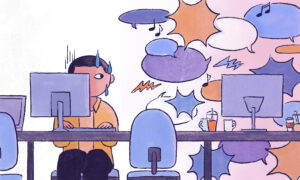
Spend enough time at work and conflict eventually finds its way in. Sometimes it is a tense meeting. Other times it is a disagreement that goes a little too far, or a room that suddenly feels different.
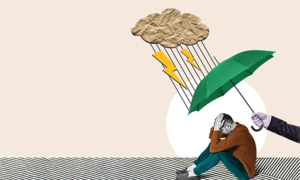
How these moments are handled can either strengthen collaboration or quietly damage trust. While conflict is often seen as something to avoid, psychology shows us that, when approached with insight and empathy, it can lead to growth, better communication, and stronger working relationships.
Why Conflict Feels So Difficult
Workplace disagreements sometimes turn personal, often before anyone realises it is happening. And in many cases, the conflict is not really about the surface issue at all. It is influenced by emotions, perceptions, and unmet needs that sit beneath the conversation.
A psychological approach helps leaders and teams move beyond reaction and towards understanding.
What Is a Psychological Approach to Conflict Resolution?
A psychological approach focuses on understanding people, not just fixing problems.
Instead of asking who is right, it explores:
What emotions are present
How each person is interpreting the situation
What underlying needs are not being met
The aim is not to win the conflict, but to restore trust, improve communication, and ensure all parties feel heard and respected.
Why Conflict Happens in the Workplace
Conflict at work often develops through a combination of factors. People may interpret the same situation differently based on experience, personality, or stress. Emotional triggers such as fear of failure, feeling undervalued, or losing control can intensify reactions. Communication breakdowns, including tone, assumptions, or body language, can escalate misunderstandings. Many conflicts are also rooted in unmet needs such as recognition, autonomy, or belonging.
Understanding these drivers helps shift conversations away from blame and towards resolution.
A Real-World Example
An employee reacts defensively to feedback. Most of us notice the behaviour first, but a psychologically informed manager pauses before making quick assumptions and takes time to explore what might sit underneath it.
Fear of failure, low confidence, or earlier experiences where feedback felt unsafe can influence how someone responds. When those emotional drivers are acknowledged, conversations tend to move away from confrontation and towards coaching.
Practical Strategies for Managing Conflict
Active listening: Listen to understand, not to reply
Empathy: Try to see the situation from the other person’s point of view
Reframe the problem: Focus on shared goals rather than personal differences
Pause before reacting: Step back before emotions drive the response
Create safe spaces: Encourage open conversations early, before issues escalate
Train leaders: Equip leaders to handle sensitive conversations calmly and constructively
How Mdina Partners Supports Conflict Resolution
At Mdina Partners, we help organisations approach conflict through psychological insight rather than avoidance. Our work focuses on developing emotionally aware leaders, strengthening communication within teams, and supporting individuals and organisations when conflict becomes difficult to navigate.
This includes leadership development, coaching and mentoring, team development and communication workshops, and one-to-one coaching for individuals experiencing recurring conflict patterns. In our team work, we also use PRISM to help people understand behaviour and adapt how they communicate with others.
Turning Conflict into Opportunity
Conflict is not a sign of dysfunction. Often, it shows that people care enough to speak up and stay engaged.
When approached with empathy, structure, and understanding, conflict can become a powerful opportunity for growth, stronger communication, and healthier working relationships.
This article draws in part on established psychological research into conflict-handling styles, including the work of Thomas Kilmann. Readers interested in exploring this framework further can find more information on the Thomas-Kilmann Conflict Mode Instrument.